
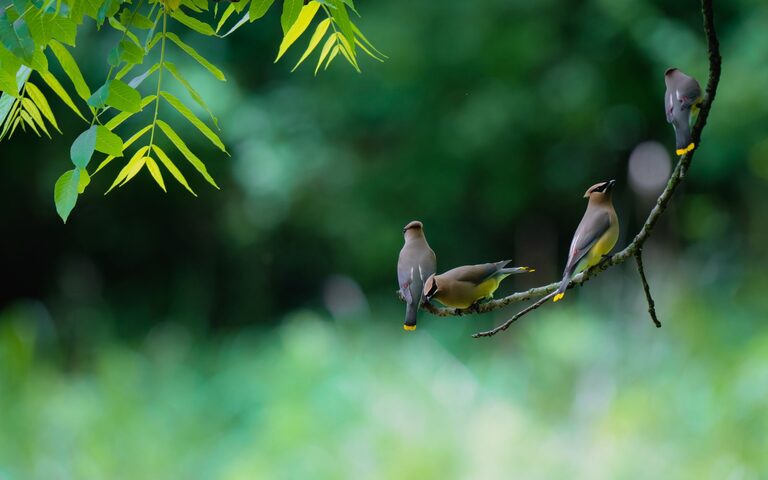
Birdwatching is a rewarding and relaxing hobby that connects you with nature in a meaningful way. You don’t need to travel far or invest in expensive gear to start appreciating birds—your own backyard can be a perfect spot to begin. Whether you’re a complete beginner or just looking to improve your birdwatching skills, these simple tips will help you create an inviting space for birds and enjoy watching them safely and comfortably.
Why Birdwatching in Your Backyard?
Backyard birdwatching offers several benefits. It provides a daily opportunity to observe wildlife up close, encourages mindfulness and patience, and adds a peaceful activity to your routine. Plus, feeding and observing birds supports local ecosystems and helps you learn about native species.
Getting Started: Essential Tips for Beginners
1. Choose the Right Spot
Find a quiet place in your yard with a good view of trees, shrubs, or open sky. Birds feel safer near natural cover, so having a mix of vegetation is ideal. A window seat, patio, or garden bench can serve as your birdwatching station. Avoid areas with too much noise or human traffic.
2. Use Simple Binoculars
While you can watch birds with the naked eye, a pair of binoculars will greatly enhance your experience. Look for lightweight binoculars with a magnification of 6x to 8x—this balance offers clear views without too much shake. Practice steady holding techniques to get crisp images.
3. Provide Food and Water
Attract birds by offering food and water, especially during hot or cold seasons. Some common feeders include:
– Seed feeders: Offer sunflower seeds, mixed birdseed, or nyjer seeds.
– Suet feeders: Great for woodpeckers and insect-eating birds.
– Fruit feeders: Use slices of oranges, apples, or berries.
– Water sources: A shallow birdbath or a small fountain helps birds stay hydrated.
Remember to keep feeders clean to prevent disease and rotate food to suit local bird species.
4. Learn the Local Birds
Start by identifying common backyard birds in your region. Field guides, mobile apps, and online bird databases are excellent resources. Focus on size, color, beak shape, and behavior to help distinguish species. Over time, you’ll recognize patterns and favorite visitors.
5. Keep a Birdwatching Journal
Recording your observations enhances your learning and enjoyment. Note the species, number of birds, time of day, and any interesting behaviors. Sketches or photos can add a personal touch. This journal becomes a wonderful way to track seasonal changes and bird activity.
6. Be Patient and Quiet
Birds are sensitive to noise and sudden movements. Try to stay still, speak softly, and avoid quick gestures. The more patient you are, the more likely you’ll see natural behaviors like feeding, preening, or nesting.
Enhancing Your Backyard Birdwatching Space
Create Natural Habitats
Adding native plants, shrubs, and trees provides shelter, nesting sites, and natural food sources. Choose species that produce berries, seeds, or nectar to attract different bird types. Avoid pesticides to keep the environment safe.
Install Nesting Boxes
Many birds use nest boxes as safe places to raise their young. Research the species common in your area to choose the right size and design. Position the boxes away from predators and harsh weather.
Add Perches and Cover
Branches, trellises, and bushes offer convenient perches for birds to rest and scan for predators. Dense cover nearby gives them a quick escape route.
Helpful Birdwatching Practices
Dress Appropriately
Wear neutral colors that blend with the environment to avoid startling birds. Comfortable clothing and sunscreen help you stay outdoors longer.
Use Bird Calls Sparingly
Learning bird calls can help identify species, but avoid playing calls loudly or constantly, as this may disturb or stress birds.
Respect Wildlife and Environment
Observe birds without touching or disturbing nests, eggs, or young. Follow local guidelines and avoid attracting invasive species.
Joining the Birdwatching Community
Consider connecting with local birdwatching clubs or online groups. Sharing experiences and tips can enrich your hobby and inspire new discoveries. Participating in citizen science projects, like bird counts, helps contribute valuable data to conservation efforts.
Conclusion
Backyard birdwatching is an accessible and delightful way to engage with nature. By creating a welcoming space, learning about birds, and practicing patience, beginners can enjoy this hobby year-round. Start small, stay curious, and watch your feathered friends become familiar visitors in your outdoor space. Happy birdwatching!
About the Author